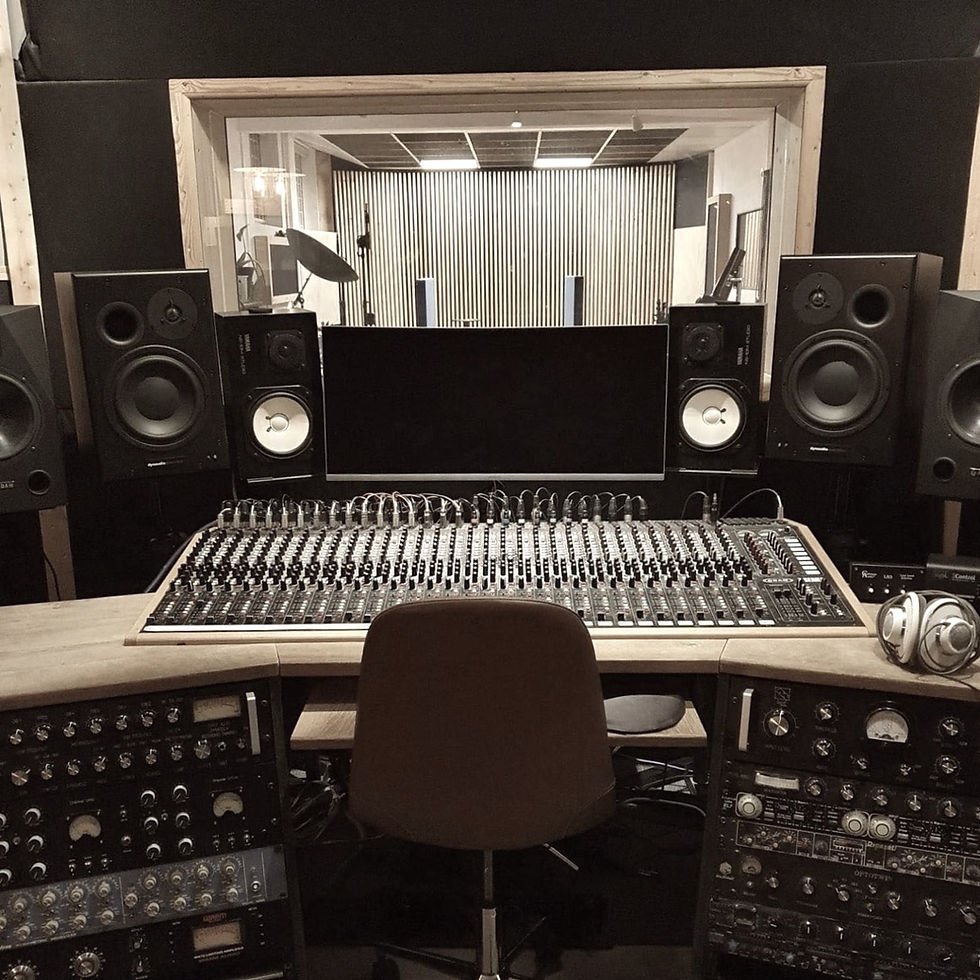
Should the Same Studio Mix and Master Your Record?
It can be the right call, and it can be the wrong one. The old rule was that mastering must always be done by someone else, so a fresh pair of ears can catch what the mix engineer has stopped hearing. That rule still has a point. But a lot of independent records now come out better when the people who mixed them also master them, because nothing gets lost between the two steps.
We are Tapetown, a studio in Aarhus, Denmark, and we mix and master indie and alternative records for artists worldwide. We do both in house, and we also master records mixed elsewhere. So we have seen this from both sides. Here is how we would decide.
What mastering is actually for
Mixing decides how the song sounds: the balance, the space, what leads and what follows. Mastering takes the finished mix and prepares it for the world. It sets the final tone and level, makes the songs on a record sit together, and checks that the result holds up on phones, cars, headphones and big speakers. A good master changes a mix a little. A master that changes it a lot is usually fixing a mix problem in the wrong place.
The case for one studio
Continuity. The people mixing know what the record is meant to feel like, because they have spent days on it with you. When the same studio masters it, that intention does not need to be explained again to someone who has never heard the demo.
It also changes how the mix is delivered. A mix engineer who knows they are mastering next can leave room for it, rather than handing over a mix that has already been squashed to sound finished. And if the master reveals a problem, it goes back to the mix and gets fixed at the source, not covered up.
For a band releasing an EP or an album on an independent budget, there is also a practical side: one conversation, one schedule, one quote.
The case for splitting it
Fresh ears are real. After days inside a record, anyone stops hearing some things. A mastering engineer who has never heard your songs will notice the harsh cymbal or the heavy low end in the first minute.
Specialist rooms are real too. A dedicated mastering room is built to hear low end and small differences with unusual accuracy. For some records, especially ones with a lot of sub-bass, that matters.
And some artists simply want a second opinion before release. That is a good instinct.
How we handle it
Two engineers work here, Rasmus Bredvig and Gustav Scheel, and we hear differently on purpose. That gives us some of the fresh-ears benefit inside one studio. But the honest answer is that we care more about the record than about keeping the whole job. If we think your record would benefit from a specialist mastering engineer, we will say so.
If someone else mixed your record and you want us to master it, we will listen first and tell you honestly whether it is ready, because mastering cannot fix a mix that needs another pass.
How to decide
Choose one studio if you trust their mixes in your kind of music, you want continuity and a single point of contact, and the studio actually masters rather than running a limiter over the mix. Split it if you want an independent check, your record has unusual low end, or you already have a mastering engineer you love.
Either way, avoid the worst option: mastering that is only a loudness pass. We wrote about that in AI mastering vs a human engineer. If you are still weighing up who should mix, read how to choose a mixing engineer for alternative music.
Talk to us about your record
Whether you need a mix, a master or both, send us a rough mix and tell us about the release. Gustav reads every message and replies himself. Start on our mixing page.
Frequently asked questions
Can the same person mix and master a song?
Yes. It keeps the intention of the mix intact and lets problems be fixed in the mix rather than covered in the master. The trade-off is losing a fresh pair of ears, which a second engineer or a separate mastering studio can provide.
Is it better to use a separate mastering engineer?
Sometimes. A separate engineer brings fresh ears and often a specialist room, which helps records with heavy low end or artists who want an independent check. For many independent records, a studio that both mixes and masters works just as well.
What is the difference between mixing and mastering?
Mixing decides how a song sounds: balance, space and what leads. Mastering prepares the finished mix for release by setting final tone and level, making songs sit together, and checking the result on different systems.
Does Tapetown master records mixed elsewhere?
Yes. Tapetown masters in house, both its own mixes and records mixed by other engineers. It listens first and says honestly if a mix needs another pass before mastering.
Can mastering fix a bad mix?
Only a little. Mastering can adjust overall tone and level, but balance problems inside a mix are fixed properly only in the mix.