top of page

Collaboration in audio engineering is more than just working together; it is a powerful way to enhance creativity, sharpen technical skills, and open doors to new career opportunities. When recording engineers, mix engineers, mastering engineers, and recording studios join forces, the results often exceed what any individual could achieve alone. This post explores how these partnerships fuel innovation, improve quality, and help professionals grow in the competitive music industry.


recording engineer in a large recording studio


How Collaboration Enhances Creativity


Working with others in audio engineering brings fresh perspectives and new ideas. Each professional contributes unique skills and experiences that can inspire creative solutions and innovative soundscapes.


  • Diverse Skill Sets: Recording engineers focus on capturing the best raw sound, mix engineers shape the sonic balance, and mastering engineers polish the final product. Combining these talents leads to richer, more dynamic recordings.

  • Creative Problem Solving: When challenges arise, such as fixing a problematic vocal take or balancing complex instrumentation, collaboration encourages brainstorming and experimentation.

  • Cross-Pollination of Ideas: Sharing techniques and approaches between engineers and studios can spark new ways to use equipment, plugins, or recording spaces.


For example, the collaboration between engineer Sylvia Massy and producer Rick Rubin has led to groundbreaking albums by artists like Tool and Red Hot Chili Peppers. Their teamwork pushed creative boundaries by blending unconventional recording methods with expert mixing and mastering.


Improving Technical Skills Through Partnerships


Collaboration is a practical way to learn and improve technical abilities. Working alongside others exposes engineers to different workflows, tools, and problem-solving methods.


  • Hands-On Learning: Junior engineers gain valuable experience by assisting seasoned professionals during sessions.

  • Feedback and Critique: Constructive criticism from peers helps refine techniques and avoid common mistakes.

  • Access to Better Equipment: Recording studios often have high-end gear that individual engineers might not afford, allowing for experimentation with superior tools.


Mix engineer Manny Marroquin credits much of his success to collaborating with other top engineers and producers, which helped him master complex mixing techniques and develop a signature sound.


Examples of Successful Collaborations and Career Impact


Several well-known audio professionals have built their careers through strong partnerships:


  • Chris Lord-Alge and Butch Vig: Their collaboration on albums like Green Day’s American Idiot combined Butch’s production vision with Chris’s mixing expertise, resulting in critically acclaimed records that boosted both their reputations.

  • Timbaland and Marcella Araica: Working together in the studio, they created hits for artists like Justin Timberlake and Beyoncé, showcasing how teamwork can lead to chart-topping success.

  • Abbey Road Studios and Various Engineers: The legendary studio’s environment fosters collaboration among engineers, producers, and artists, contributing to timeless recordings and ongoing professional development.


These examples show how collaboration not only improves the quality of work but also expands professional networks and opens doors to new projects.


The Importance of Networking and Sharing Knowledge


Networking is essential in the audio industry. Building relationships with other engineers and studios creates opportunities for collaboration and knowledge exchange.


  • Industry Events and Workshops: Attending conferences, seminars, and training sessions helps professionals meet peers and learn new skills.

  • Online Communities and Forums: Platforms like Gearslutz and Reddit’s audio engineering subreddit provide spaces to ask questions, share tips, and find collaborators.

  • Mentorship: Experienced engineers can guide newcomers, passing on valuable insights and fostering a culture of continuous learning.


Sharing knowledge benefits everyone involved. It raises the overall standard of work in the industry and encourages innovation.


Tips for Building Successful Collaborations


To make the most of partnerships, consider these practical steps:


  • Communicate Clearly: Define roles, expectations, and goals before starting a project.

  • Be Open to Feedback: Accept constructive criticism and use it to improve.

  • Respect Each Other’s Expertise: Trust the skills and judgment of your collaborators.

  • Stay Organized: Use project management tools to keep track of tasks and deadlines.

  • Follow Up: Maintain relationships after projects end to build long-term connections.


By approaching collaboration with professionalism and openness, audio engineers can create productive and enjoyable working relationships. We've been part of establishing Talent Across Borders which is a community with the aim of helping creatives and independent professionals within music, work together and collaborate

Independent artists face many challenges when trying to grow their careers. The music industry is crowded, and standing out requires more than just talent. It demands smart strategies, strong connections, and access to new audiences. One of the most effective ways to expand your reach today is by building a global network and collaborating with artists and professionals worldwide. This blog post explores fresh ideas for independent artists to grow their careers by connecting beyond borders, with a special focus on the project Talent Across Borders.


early photo of alternative band sonic youth performing on a rooftop

Why Independent Artists Need a Global Network


The music industry no longer revolves around local scenes alone. Thanks to the internet, artists can reach listeners and collaborators anywhere in the world. Building a global network offers several advantages:


  • Access to diverse audiences: Different countries have unique music tastes. Connecting globally lets you tap into new fan bases.

  • Creative inspiration: Collaborating with artists from other cultures sparks fresh ideas and sounds.

  • Professional growth: Working with international producers, managers, and promoters opens doors to new opportunities.

  • Resilience: A wider network means you are less vulnerable to local market changes or setbacks.


Many artists focus only on local connections or social media followers. While these are important, expanding your network globally creates more lasting and meaningful opportunities.


Using Online Platforms to Collaborate and Connect


Online platforms have transformed how artists work together. Beyond sharing music, these tools enable real-time collaboration, project management, and networking. Here are some practical ways to use online platforms effectively:


  • Virtual co-writing sessions: Use video calls and shared digital workspaces to write songs with artists from different countries.

  • Remote recording and production: Send stems and tracks back and forth to producers or musicians worldwide.

  • Showcase and feedback communities: Join platforms where artists share work-in-progress and get constructive feedback.

  • Networking groups: Participate in forums and groups focused on independent music to meet professionals and peers.


Platforms that combine these features help artists build relationships that go beyond casual online interactions.


Introducing Talent Across Borders


One standout platform designed for independent artists and music professionals is Talent Across Borders. This project creates a community where artists can connect, collaborate, and find new career opportunities internationally.


What Talent Across Borders Offers


  • A global artist directory: Find musicians, producers, and industry experts from around the world.

  • Collaboration tools: Access resources to start projects with others remotely.

  • Educational content: Learn about navigating international markets and cross-cultural collaboration.

  • Events and showcases: Participate in virtual and live events to present your work globally.


Talent Across Borders is more than a directory; it’s a space that encourages meaningful partnerships and career growth through international connections.


How to Make the Most of Talent Across Borders


To benefit fully from this platform, consider these steps:


  • Create a detailed profile: Highlight your skills, style, and what you’re looking for in collaborators.

  • Engage actively: Join discussions, attend events, and reach out to potential partners.

  • Be open to new styles and cultures: Use this opportunity to experiment and learn from others.

  • Share your progress: Regular updates keep your network interested and attract new opportunities.


By investing time and effort, you can turn Talent Across Borders into a powerful tool for your career.


Examples of Successful Global Collaborations


Artists who embrace global collaboration often see exciting results. For example:


  • A singer-songwriter from Brazil teamed up with a producer in Sweden through Talent Across Borders. Their blend of Latin rhythms and Scandinavian electronic sounds created a unique track that gained international attention.

  • An indie band from Canada connected with a visual artist in Japan to create a multimedia project combining music and animation, expanding their audience to new markets.

  • A hip-hop artist in South Africa collaborated with a beatmaker in the UK, resulting in a cross-continental single that received radio play in both countries.


These examples show how crossing borders can lead to creative breakthroughs and career growth.


Tips for Building a Strong Global Network


Building a global network takes more than just signing up on platforms. Here are some practical tips:


  • Be genuine and respectful: Cultural differences matter. Approach collaborations with openness and professionalism.

  • Follow up consistently: Relationships grow through regular communication.

  • Offer value: Share your skills and support others to build trust.

  • Stay organized: Use tools to manage contacts, projects, and deadlines.

  • Keep learning: Stay informed about trends and opportunities in different markets.


A strong network is built on mutual respect and shared goals.


Connecting with artists and professionals worldwide is no longer optional for independent musicians who want to grow. Platforms like Talent Across Borders provide the tools and community to make these connections easier and more effective. By embracing global collaboration, artists can discover new creative paths, reach wider audiences, and build sustainable careers.


Find all the links you need here:


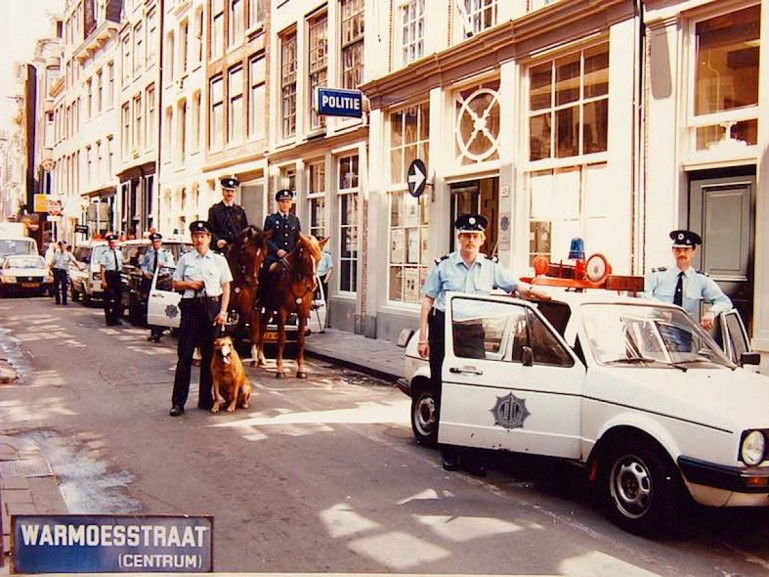
Police officers stand with a K9 and mounted colleagues on Warmoesstraat. Police cars parked nearby, building sign "Politie" visible.


Trying to play an Amsterdam venue like Bitterzoet or Tolhuistuin but don’t know any bookers? Getting into Netherlands' music scene can feel like navigating a new city without a guide. One way to get noticed: stage a pop-up acoustic set at a canal boat market in Amsterdam to draw a crowd and catch a venue’s eye. This post shares a straightforward strategy to turn a floating market performance into a club booking, no contacts needed. We’ll also look at how Dutch band De Staat used small gigs to build their early fanbase, with an odd twist. Want to play by the water and book gigs in Europe? Here’s the plan.


Host a Canal Boat Market Set to Draw Venue Interest

A pop-up acoustic set at a canal boat market can create a relaxed vibe and show venues you’ve got an audience. Here’s how to do it in Amsterdam without connections:


  1. Pick a Market Spot: Choose a floating market like Dappermarkt or Noordermarkt, where locals and tourists gather. Check Amsterdam’s busking rules to avoid permit issues or fines. Aim for a weekend morning to draw 20-50 people.

  2. Play a Short Set: Perform a 15-minute acoustic set of your best originals, maybe adding a Dutch pop cover to connect with locals. Set up a small sign with your band name and a QR code linking to your SoundCloud. Record the set to capture the crowd’s energy.

  3. Pitch Venues with Your Footage: Share the clip on Instagram with hashtags like AmsterdamMusic or DutchLiveMusic. Message venues like Bitterzoet with a note: “Our canal market set drew 30 fans at Noordermarkt. Can we bring them to your stage?” Include crowd size to show your pull.


This works because it proves to venues you can engage a crowd in a unique setting.


De Staat’s Early Hustle


Before Dutch rock band De Staat became festival favorites, they were unknowns hustling in Nijmegen around 2007. According to a 2013 interview with Clash Magazine, the band, led by Torre Florim, played small, unannounced sets at local events, including markets and street festivals, to test their quirky rock sound. One summer, they set up at a Nijmegen market near a canal, drawing a crowd of shoppers with their raw energy. Locals shared videos online, helping spread their name to nearby Amsterdam.


A booker from Tolhuistuin caught one of these market clips on social media and attended a later gig. Impressed by the crowd’s reaction and De Staat’s tight performance, he offered them a slot at a 2008 Amsterdam show, a gig that helped them land a deal with Excelsior Recordings. The odd part? During one market set, a vendor’s loose chicken wandered into their performance space, clucking along and stealing laughs from the crowd. The band later mentioned the “chicken cameo” in a music blog, joking about their unexpected bandmate. De Staat’s market hustle shows how small gigs can open doors, and Amsterdam’s canal markets are your chance.


A canal boat market set is a low-key way to book gigs in Europe’s music hubs like Amsterdam. Pick a market, play a set, and pitch your crowd to venues. No contacts? Just a guitar and some effort.


Read about the legendary recording studio 'Sound City' here:

bottom of page