Kathmandu’s Alternative Rock Scene: What European Musicians Need to Know
- Dec 23, 2025
- 3 min read
Updated: Jul 6

Come say hello, at: Recording And Mix Studio | Live Sessions | Tapetown |
Let’s be straight: Kathmandu isn’t the first city that comes to mind when you think about alternative rock. It’s not London, Berlin, or even Bangkok. But if you’re into music that’s raw, community-built, and shaped by real social context, you should know what’s happening in Nepal’s capital.
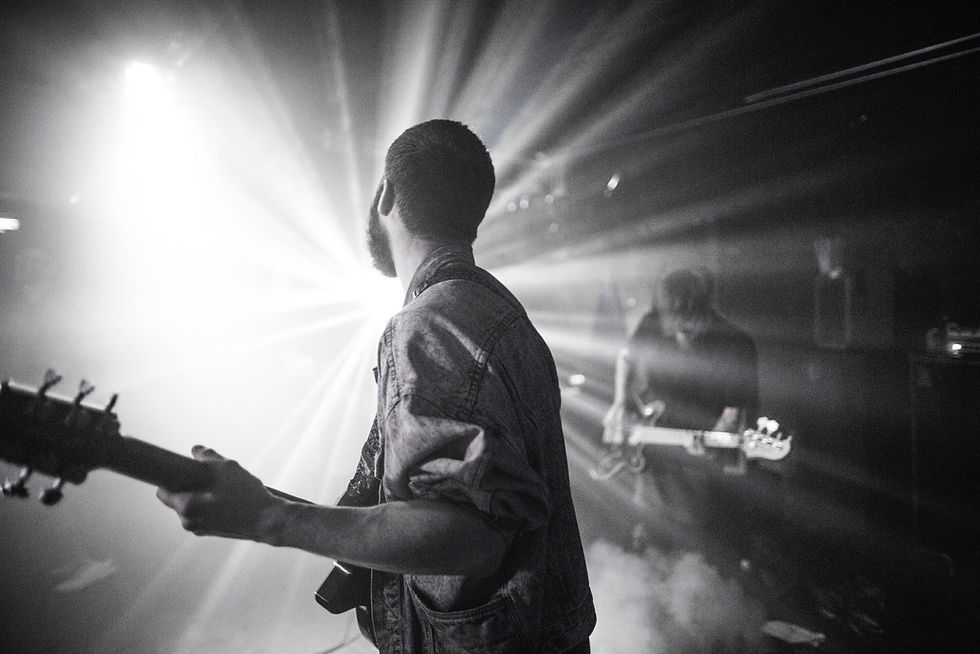
Kathmandu’s alternative rock scene is small, gritty, and underground—but it’s alive. It thrives in jam rooms with concrete walls, Facebook-organized gigs, and venues that double as rehearsal spaces. It’s not polished. It’s not algorithm-friendly. But it’s urgent—and if you care about music that comes from necessity, not trends, it deserves your attention.
From Thamel Basements to Bar Stages
Nepal’s relationship with rock music isn’t new. Since the 1980s, bands like The Axe Band, Cobweb, and UgraKarma have been pushing boundaries—initially from smoky bars in Thamel or underground parties lit by generator-powered amps. Metal and punk took off first, with alt-rock following more slowly, shaped by experimentation and cultural fusion rather than scene hype.
Today, venues like Purple Haze Rock Bar (Thamel) and Beers n’ Cheers (Jhamsikhel) anchor the scene. They’re more than places to play—they’re where bands form, gear gets borrowed, and sounds are tested. They’re homes for anyone carving out something different.
Bands to Know, Sounds to Hear
Start with Albatross. Formed in the late ’90s, they’re veterans of the scene, blending alternative, prog, and heavy rock. They even played SXSW in 2016—a rare international leap for a Nepali band.
Then check out Shree 3—a trio born in Kathmandu’s DIY spaces. Their sound is fuzzy, loud, and deeply emotional. Think lo-fi grunge colliding with Himalayan angst.
Other names worth checking out:
Kamero – experimental and progressive, with clear alt-rock influences.
Jhilkey and the Company – punk-ska fusion with an alt-rock heart.
Ashesh & Nekhvam – bluesy, psych-rock vibes.
Anuprastha – closer to prog-folk-rock, but influential in shaping the broader scene.
Why It Matters
If you’re a European artist or fan used to tight production and polished aesthetics, Kathmandu’s scene offers a jolt of something very different: urgency, edge, and intent.
This isn’t playlist-core. It’s music born from the aftermath of a civil war. It’s gear held together with duct tape. It’s sets played in blackout-stricken bars. And it matters—because the emotion is real, and the stakes are personal.
Even now, it’s a challenge to source instruments, book spaces, or access production tools. But that scarcity has birthed something resilient and original. And more than that, something deeply collaborative.
What European Musicians Can Learn
There’s a lot for young musicians to take from Kathmandu’s alt-rock ecosystem:
DIY works. You don’t need pristine gear. You need vision and a place to get loud.
Community is king. Bands here share gear, stages, and even fans. Ego takes a back seat.
Use your roots. Many Nepali artists mix local folk or classical music into their sound. Don’t run from your culture—build with it.
Play small, grow honestly. Some of the best shows here happen without a stage, a press list, or a spotlight. It’s about connection, not numbers.
What’s Next?
Kathmandu’s alternative scene isn’t exploding—and that’s the point. It’s not trending. It’s not trying to be. It’s a space for honest creation, where survival is success and sound is protest.
You won’t find these bands on the radio. But if you care about music that reflects a place, a struggle, and a people—you’ll find it here.
So if you’re a young artist looking for a compass, or a listener tired of polish with no soul, consider this your invitation: Start listening. Maybe even visit. Sometimes, the most important scenes aren’t built in the capitals of culture. They’re carved out in corners—quietly, together, and with nothing but sound.